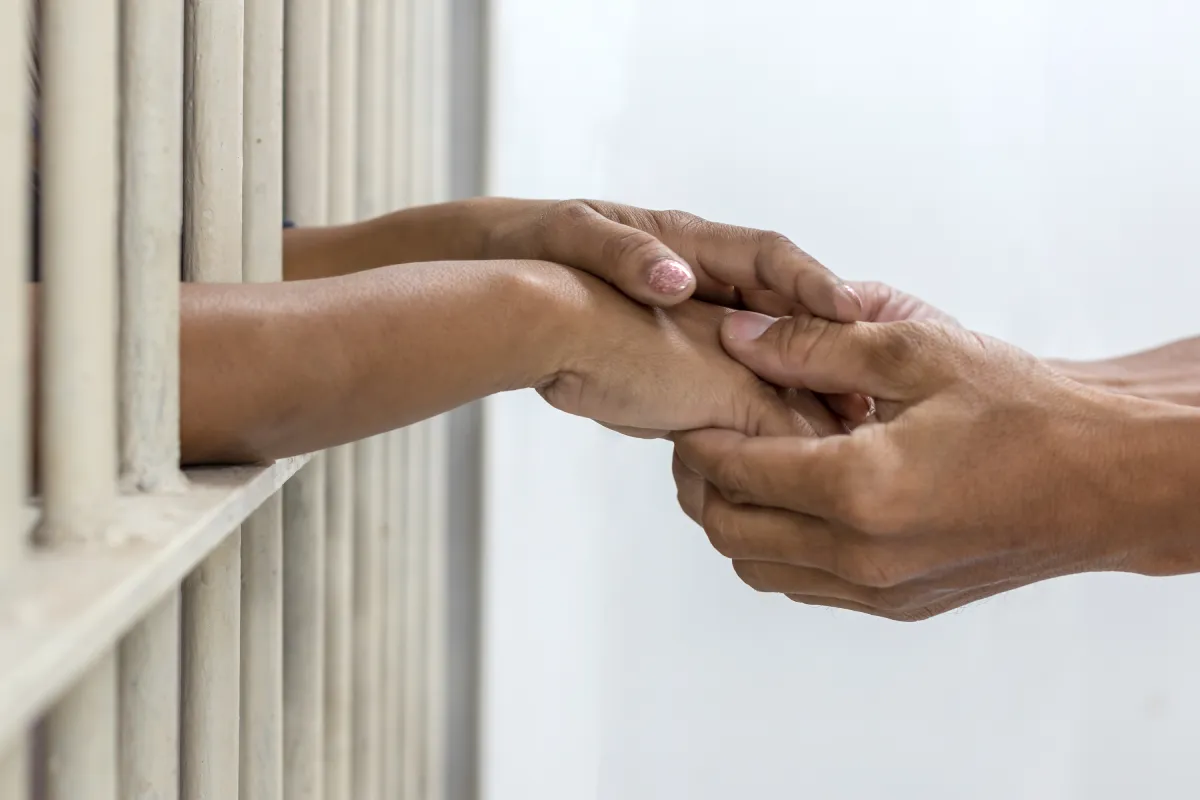
Going to see someone in an ICE detention center can feel unfamiliar, especially the first time. There are rules to follow and a process to get through before you’re able to sit down and visit. Knowing what to expect ahead of time can make the day go more smoothly and help you focus on the visit itself. This guide walks through DHS ICE visit rules, what to wear, what to bring, and how immigration detention center visitation usually works.
The ICE Visitation Process
You should determine where your loved one is detained so you contact the correct facility about visitation. The person in detention often needs to add your name to an approved visitor list. If your name isn’t there, the visit won’t happen.
It’s also a good idea to double-check immigration detention center visiting hours. These aren’t always consistent, and some facilities limit how many people can visit in a day.
According to ICE detention standards, visits are allowed so people in custody can maintain contact with family and the community, but safety and order always come first.
When you arrive, expect a bit of a routine:
- Check in at the front desk
- Show your ID
- Go through a security screening
From there, you may need to wait before being allowed into the visitation area. Some days move quickly, others don’t. It really depends on the facility and how busy it is. This is a normal part of the ICE visitation process.
ICE Detention Center Visitation Rules
Most ICE detention center visitation rules are strict, even if they seem simple on paper. They’re there to keep things controlled inside the facility.
A few things come up at almost every location. You’ll need to be on the approved list, and you’ll be expected to follow directions from staff without any pushback. Personal items are usually limited, and visits are monitored in some way.
Physical contact can also be restricted. In some places, you may only be able to greet at the beginning and end of the visit. In others, there may be a barrier between you.
It’s also worth knowing that you can’t pass items directly to the person you’re visiting. Even small things like notes or photos may not be allowed unless the facility has a specific process for it. Following DHS ICE visit rules closely helps avoid cutting the visit short.
ICE Detention Center Visitor ID Requirements
Getting turned away over ID is more common than people expect, so it’s worth double-checking ahead of time. The ICE detention center visitor ID requirements are usually straightforward but strictly enforced.
Most adults need a valid, government-issued photo ID. A driver’s license or passport is typically fine. If you’re bringing a minor, the rules can be a bit different. A birth certificate may be required, and the child usually needs to be with a parent or legal guardian.
The name on your ID should match exactly with the name on the visitor list. Even small differences can slow things down or cause problems. If you have it, bringing a second form of ID doesn’t hurt.
Dress Code: What You Can and Can’t Wear
Clothing is one of the most common reasons people get turned away. Dress codes during immigration detention center visitation are taken seriously, even if they aren’t always explained in detail ahead of time.
In general, it’s best to keep things simple. Think modest, comfortable, and neutral.
Clothing that often causes issues includes anything too revealing, items with offensive language, or outfits that resemble uniforms. Some facilities also don’t allow open-toe shoes.
A safe choice is a plain shirt, long pants, and closed-toe shoes. It may feel basic, but it helps avoid unnecessary problems at check-in.
If something doesn’t meet the guidelines, you may be asked to change before being allowed in.
What to Bring (and What to Leave Behind)

Packing light is the safest approach and it’s part of what to expect in a detention facility. Security is tight, and many everyday items aren’t allowed inside.
Here’s a simple way to think about it:
Bring:
- Your valid photo ID
- A small amount of cash, if lockers or vending machines are available
- Any paperwork the facility specifically asks for
Leave behind:
- Phones and electronic devices
- Bags, purses, or backpacks (unless clearly permitted)
- Food, gifts, or personal items
Some facilities offer lockers, but not all. If you’re unsure, it’s better to only carry what you absolutely need.
Tips for a Smoother Visit
A few small steps can make the day easier. Arriving early gives you time to get through check-in without rushing. Checking immigration detention center visiting hours before leaving helps avoid surprises. Once you’re inside, following staff directions closely keeps things moving.
It’s also normal for plans to shift. Delays happen and sometimes visits get shortened or rescheduled. Staying flexible helps you handle those moments without added stress.
Make the Visit Count
Going to someone in detention comes with a set of rules, but it’s manageable once you know what to expect. Visiting a loved one? Call Liberty Immigration.